

Buy Unique Handcrafted Pottery Online: A Buyer's Guide
Table of Contents
- Why Handcrafted Pottery Stands Apart from Mass Production
- How to Identify Handmade Pottery When Shopping Online
- Choosing Unique Ceramic Gifts for Every Occasion
- Understanding Food-Safe Handmade Ceramics
- What to Expect When You Buy Handmade Pottery Online
- The Value Proposition: Why Handcrafted Pieces Cost More
- Common Mistakes to Avoid When Buying Handcrafted Pottery
- Frequently Asked Questions
Last Updated: October 12, 2026
Why Handcrafted Pottery Stands Apart from Mass Production
Handcrafted pottery online has become increasingly popular as people seek meaningful objects that reflect their values and personal style. The difference between a piece made by hand and one churned out in a factory goes far deeper than aesthetics, it's about intention, durability, and the story embedded in every curve.
Mass-produced ceramics prioritize uniformity and cost. They're designed to be identical, replaceable, and cheap to manufacture. Handmade pottery, by contrast, celebrates variation. Each piece carries the fingerprints of the maker, subtle asymmetries that prove human hands shaped it, and a level of care that machines simply cannot replicate. When you buy unique handcrafted pottery online, you're investing in something made to last generations, not seasons.
The craftsmanship difference matters in practical ways. Artisan ceramics are typically fired at higher temperatures, glazed with attention to detail, and tested for durability. A handmade mug feels different in your hand, the weight is distributed thoughtfully, the rim is finished with precision, and the glaze has depth that reflects light in ways flat, industrial finishes cannot. This is what separates a functional piece you'll use daily from decoration that feels hollow.
How to Identify Handmade Pottery When Shopping Online
When you buy unique handcrafted pottery online, you're making a purchase decision without seeing the piece in person. That creates risk. The good news: there are clear signals that distinguish authentic handmade work from mass-produced items masquerading as artisanal.
Signs of Authentic Handmade Work
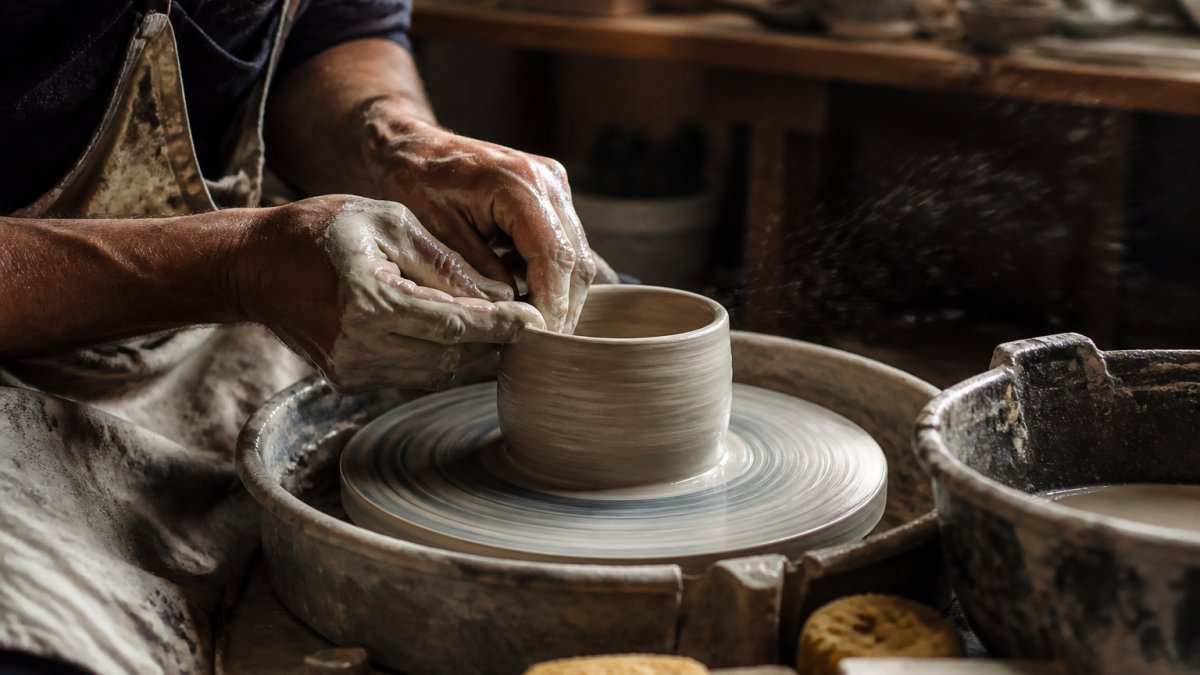
Look for irregularities. A truly handmade bowl will have slight variations in thickness. The rim might be fractionally uneven. The base could show tool marks or finger impressions. These aren't flaws, they're proof of authenticity. Mass production eliminates these variations through molds and machinery. If every piece looks identical down to the millimeter, it wasn't hand-thrown.
Check the glaze application. Handmade ceramics show glaze variation. Colors might be slightly darker or lighter depending on how thickly the maker applied it. You might see where the glaze pools in the interior or where it meets the clay with subtle color shifts. This organic quality is nearly impossible to replicate in industrial processes. Uniform, perfectly consistent glaze usually signals factory production.
Examine the base. The bottom of a hand-thrown piece often shows the maker's mark or signature. Look for subtle ridges where a tool was used to trim excess clay. Some makers leave a small clay foot, a raised ring where the piece was removed from the wheel. These details take time and skill. They're also expensive to replicate on a mass scale, so factories skip them.
What to Question Before Buying
Ask whether the maker is named. Legitimate artisans typically identify themselves. They're proud of their work and want credit for it. If a listing describes pottery as "handcrafted" but provides no maker information, that's a red flag. Flow Art Studios curates pieces with a distinct artistic appeal, ensuring transparency about the unique nature of what you're purchasing.
Verify production scale. A true studio potter or small ceramics workshop produces limited quantities. If a seller claims to have hundreds of identical "handmade" pieces in stock, that's impossible. Handmade work takes time. A potter might complete 10-15 pieces per week, not 100. Scarcity is built into authentic handcrafted pottery.
Look for process photos or videos. Makers who are genuinely hand-throwing pottery often document their process. They post photos of pieces on the wheel, glazing sessions, or kiln-opening moments. This transparency builds trust and proves the work is actually handmade. Absence of process documentation isn't definitive proof of fraud, but it's worth noting.
Choosing Unique Ceramic Gifts for Every Occasion
Handcrafted pottery makes a gift because it communicates thoughtfulness. You're not grabbing something off a shelf at a big-box store. You've taken time to find something unique, something that reflects the recipient's taste or your relationship with them.
For housewarming gifts, functional pieces work best. A handmade bowl, mug set, or serving dish is something the recipient will actually use, not something that sits gathering dust. The gift becomes part of their daily routine, a reminder of you each time they reach for their morning coffee.
For professional appreciation, smaller decorative pieces work well. A small vase, a butter dish, or a spoon rest shows respect without crossing into overly personal territory.
For collectors or pottery enthusiasts, one-of-a-kind pieces are the obvious choice. If someone already appreciates handmade ceramics, they'll understand the value and care behind an artisan piece. These are gifts that appreciate in meaning over time.
Understanding Food-Safe Handmade Ceramics
Not all pottery is created equal when it comes to food safety. If you're buying handcrafted pottery online for functional use, mugs, bowls, plates, understanding what makes a piece food-safe is essential.
Safety Standards and Testing
Handmade ceramics used for food and drink must be glazed properly and fired at appropriate temperatures. The glaze creates a non-porous surface that prevents bacteria and contaminants from seeping into the clay. A properly executed glaze is both beautiful and functional, it seals the ceramic completely.
The risk comes from glazes that contain lead or cadmium (the WHO). These toxic metals were once common in pottery glazes but are now banned or heavily restricted in most developed markets. When you buy unique handcrafted pottery online, especially from makers in regulated markets, this is less of a concern. However, it's worth asking. Reputable makers can confirm their glazes are food-safe and often have testing documentation.
Temperature matters. Ceramics need to be fired hot enough to fully mature the clay and fuse the glaze permanently. Underfire pottery is porous and unsafe for food. Most professional potters fire at cone 6 or higher, temperatures that ensure durability and safety. This is another detail worth confirming before purchase.
Care and Maintenance for Functional Pieces
Handmade ceramics are durable, but they require care. Hand-wash whenever possible. Dishwashers can eventually wear glazes and cause thermal shock. Avoid extreme temperature changes, don't move a mug from the freezer directly to boiling water.
Check the base before use. If you see cracks, chips, or areas where the glaze is missing, don't use the piece for food. A compromised glaze means the underlying clay is exposed and porous, which can harbor bacteria.
Store carefully. Stack plates with felt or cloth between them to prevent chipping. Keep mugs in a cabinet where they won't get jostled around. Handmade pottery is meant to last decades, but it requires the same respect you'd give any heirloom.
What to Expect When You Buy Handmade Pottery Online
Buying handcrafted pottery online without seeing it in person creates legitimate concerns. Understanding what to realistically expect removes surprises and helps you make confident purchases.
Shipping, Delivery, and Returns
Handmade ceramics are fragile. Shipping requires careful packaging. Most makers use multiple layers of bubble wrap, tissue paper, and sturdy boxes to protect pieces during transit. Despite precautions, breakage occasionally happens. Before purchasing, check the seller's return or replacement policy.
Shipping times vary significantly. A piece in stock ships quickly, often within a week. Custom orders or pieces made to order take longer. A maker might need 4-8 weeks to complete your piece, then additional time for shipping. If you need a gift by a specific date, clarify timelines upfront.
International shipping is possible but comes with costs and complications. Customs duties apply. Shipping times extend. Breakage risk increases with longer transit. If ordering internationally, budget accordingly and expect longer wait times.
Sizing, Color, and Personalization
Handmade pieces vary slightly. A mug might be 4.5 inches tall rather than exactly 4.5 inches. A bowl's diameter could vary by a quarter inch. These variations are normal and part of the handmade appeal, but they're worth understanding if you have specific size requirements.
Colors shift between pieces. A glaze that looks deep blue on one mug might appear slightly more teal on another. This happens because of how glaze behaves in the kiln, slight differences in thickness, firing temperature, and position in the kiln all influence final color. If exact color matching is critical, discuss this with the maker before ordering.
Personalization options vary by maker. Some add initials, dates, or custom glazes. Others prefer to keep pieces as they've designed them. Ask about customization possibilities, but understand that requests might incur additional costs or longer timelines.
The Value Proposition: Why Handcrafted Pieces Cost More
Handmade pottery costs significantly more than mass-produced ceramics. Understanding why reveals the real value you're getting.
Labor is the primary factor. A potter spends hours on each piece, throwing clay, trimming, glazing, and firing. That's skilled labor, often by someone with years of training. A factory worker operating a mold machine produces hundreds of pieces per day. A potter produces dozens per week. The math is straightforward: more time invested equals higher cost.
Materials matter too. Quality clay, specialty glazes, and proper kiln firing consume resources. A maker who sources premium materials and fires at higher temperatures produces superior pieces but incurs real costs. These aren't inflated, they're embedded in the work itself.
Overhead is real. A studio requires rent, utilities, kiln maintenance, and equipment. A potter running a small operation carries these costs across a smaller output than a factory. Fixed costs per piece are naturally higher.
The biggest factor, though, is that handmade pottery is made to last. When you buy unique handcrafted pottery online, you're making a purchase that holds value over decades, not one that ends up in a landfill in two years.
Common Mistakes to Avoid When Buying Handcrafted Pottery
The most frequent error is assuming all handmade pottery is created equal.
Don't confuse "handcrafted" with "one-of-a-kind." Some makers produce multiple identical pieces using the same mold or technique. These are handmade but not unique.
Avoid purchasing based solely on photos. Lighting, angles, and camera settings distort how pottery looks in person. A mug that appears large in a photo might feel smaller in your hand.
Don't skip the maker's return policy. Life happens. A piece might arrive damaged. Your size expectations might not match reality. Confirm upfront that you can return or exchange pieces if they don't meet your expectations.
A common mistake is underestimating shipping costs and timelines. International orders, custom pieces, and made-to-order work take time. If you're buying a gift with a deadline, factor in realistic shipping windows.
Finally, don't assume higher price always means better quality. Some makers charge premium prices based on brand recognition rather than superior craftsmanship. Research the maker's background, look at reviews, and examine photos carefully.
Buying handcrafted pottery online is an investment in objects that will enrich your daily life and last for years.
Frequently Asked Questions
How can you tell if pottery is handmade versus mass-produced?
Handmade pottery shows intentional variations: uneven glaze application, visible fingerprints or tool marks, slight weight differences, and unique surface textures. Mass-produced pieces are uniform, with consistent glaze and perfectly symmetrical shapes. Check product descriptions for maker information, photos from multiple angles, and whether the seller describes the piece as one-of-a-kind or part of a limited series. Authentic artisans often explain their process and materials.
Is handmade pottery safe for food and drink?
Food-safe handmade ceramics depend on the glaze and firing process. Food-safe pieces use non-toxic glazes and are fired at high temperatures to seal the clay. Ask sellers directly about food safety compliance and whether pieces are dishwasher-safe or hand-wash only. Functional drinkware and dinnerware should come with clear care instructions. If a piece is purely decorative, the seller should state that clearly to avoid confusion.
What makes handcrafted pottery more expensive than store-bought alternatives?
Handcrafted pottery costs more because each piece requires hours of skilled labor, from clay preparation to hand-shaping, decorating, and firing. Artisans invest in quality materials, specialized equipment, and studio space. Unlike mass production, there are no economies of scale, each bowl or mug is made individually. You're paying for uniqueness, artistry, durability, and the maker's expertise. Limited production runs and smaller batch sizes also increase per-unit costs.
What should I expect when ordering handmade pottery online?
Expect longer lead times than mass-produced alternatives, handcrafted pieces often take weeks to arrive. Shipping requires careful packaging to prevent breakage, which adds cost. Colors and glazes may vary slightly from photos due to firing variations and lighting differences. Returns can be complex because handmade items are often custom or one-of-a-kind. Reputable sellers provide detailed photos, clear shipping policies, and communicate timelines upfront. Ask questions before purchasing if you need the piece by a specific date.